
Services
Attic Insulation
New or topped-up attic insulation, installed to a consistent depth across every joist bay — the single biggest comfort upgrade most homes can make.
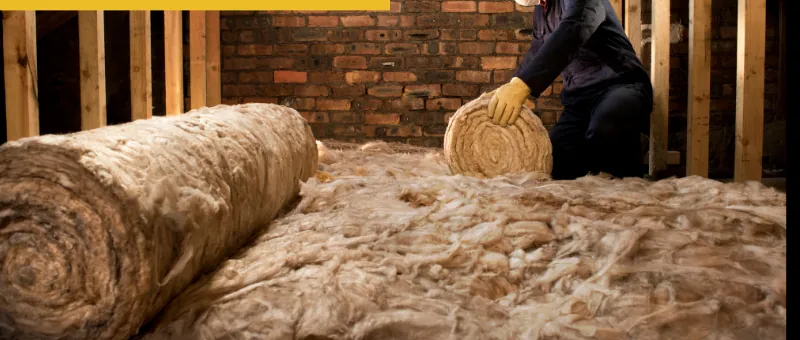
Your attic is the lid on the whole house. In winter, the warm air you paid to heat rises, collects at the ceiling and pushes straight out through a thin or patchy attic floor. In summer the flow reverses: a sun-baked roof turns the attic into an oven, and that heat radiates down through the same thin layer into every upstairs room. When the lid leaks, no furnace or air conditioner can keep up — they just run longer trying.
Our attic work starts with a look, not a guess: existing depth and condition, air leaks around hatches, pipes and recessed lights, duct runs, and ventilation. Then we install to a consistent, measured depth across the whole floor — blown-in, batt, or a combination matched to your attic — with the air sealing done first so the new material performs the way it should.
What's included
- Measured, even depth across the full attic floor — no thin spots
- Air sealing of top plates, hatch and penetrations before we insulate
- Baffles at the eaves so ventilation keeps working as designed
- Attic hatch insulated and weather-sealed
- Blown-in, batt or hybrid systems matched to your attic's layout
Book Your Free Assessment
Tell us what you need and we'll call you back to confirm. Rather talk now? (855) 640-0404 — answered 24/7.
How it works
Our Process
Assess
We measure what's up there now, check for leaks, moisture and old damage, and photograph the attic so you can see it too.
Seal first
Gaps around pipes, wires, lights and the hatch are sealed — insulation over open leaks underperforms from day one.
Install
New insulation goes in to a consistent depth, with baffles keeping the soffit vents breathing.
Verify
We check depth across the whole floor and walk you through the finished attic, photos included.
Questions
Attic Insulation — FAQs
It depends on what's already there and how your home behaves. Current guidance for our climate zone calls for substantially more than most older homes were built with — which is exactly why the assessment comes first: we measure your existing depth and recommend from evidence, not a table.
Usually, yes — sound, dry existing insulation can stay and be topped up. If it's wet, compressed flat, contaminated or hiding problems, we'll show you why removal is the honest call before anything new goes in.
Most single-family attics are a one-day job, including the air sealing. Larger or complicated attics — multiple levels, knee walls, tight access — are quoted with a realistic window up front.
That's the classic attic complaint, and a thin or patchy attic floor is the classic cause. Sealing the leaks and bringing the depth up is the direct fix — the upstairs stops trailing the thermostat by several degrees.